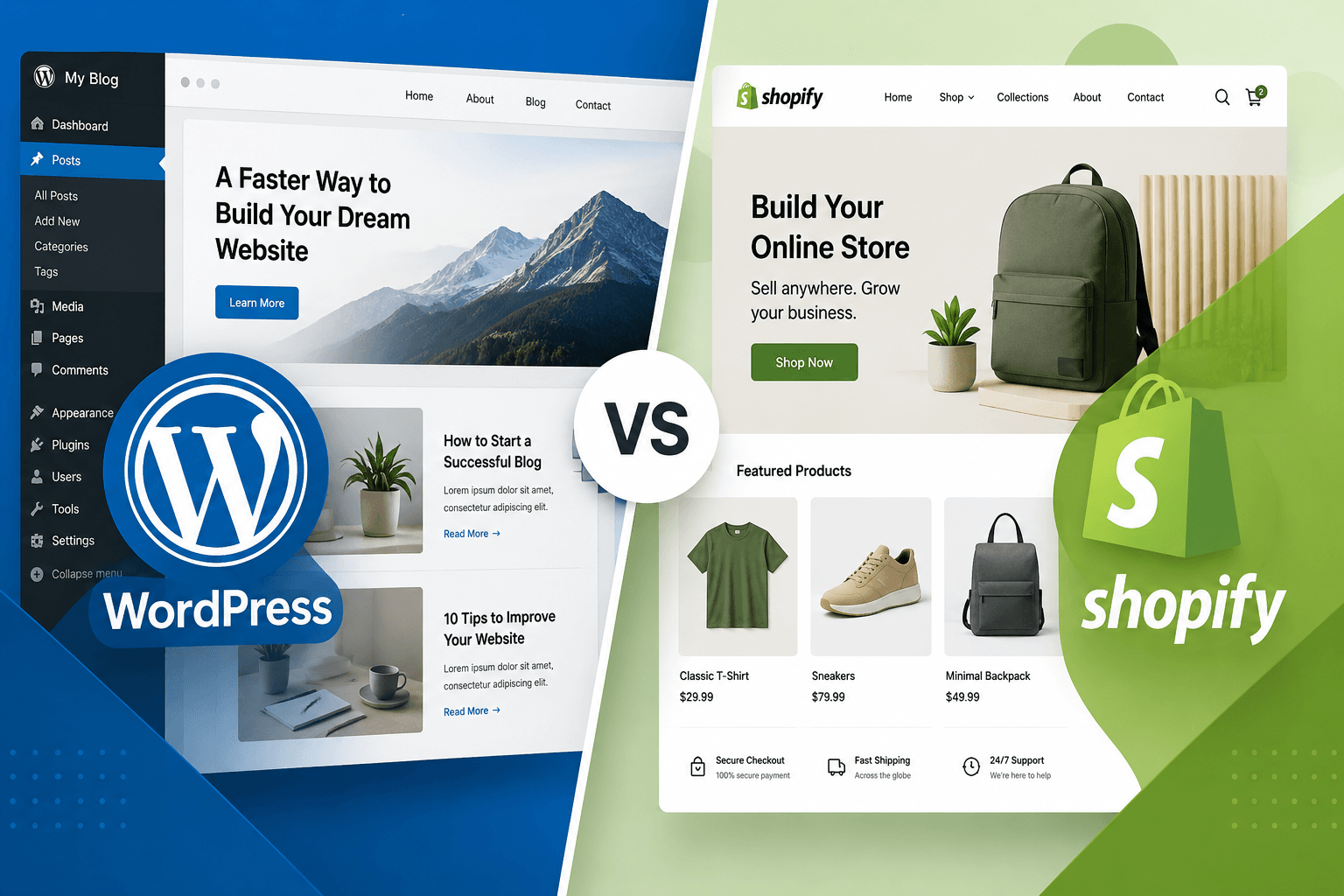
WordPress vs Shopify
- WooCommerce vs Shopify
- Best eCommerce Platform
- WordPress Website
- Shopify Store
- WordPress SEO
- Shopify SEO
- Website Development
- Online Store
- eCommerce Website
WordPress vs Shopify: Which Platform Is Better in 2026?
Introduction
Choosing the right platform for your website is one of the most important decisions you’ll make for your business. Whether you’re launching a new online store, building a professional business website, or planning to scale your company in the future, your choice of platform will affect your website’s performance, search engine rankings, maintenance costs, and overall user experience.
Two of the most popular website-building platforms in 2026 are WordPress and Shopify. While both are powerful solutions, they are designed for different types of users and business goals.
WordPress powers millions of websites worldwide and is known for its flexibility, customization options, and strong SEO capabilities. Shopify, on the other hand, is an all-in-one eCommerce platform built specifically for selling products online with minimal technical setup.
So, which one is the better choice in 2026?
The answer depends on your business needs, budget, technical experience, and long-term goals.
In this guide, we’ll compare WordPress and Shopify across the most important factors, including pricing, ease of use, design flexibility, SEO, performance, security, scalability, and ongoing maintenance, helping you make an informed decision.
Table of Contents
- What is WordPress?
- What is Shopify?
- WordPress vs Shopify at a Glance
- Ease of Use
- Design & Customization
- eCommerce Features
- SEO Comparison
- Performance & Speed
- Security
- Pricing
- Pros & Cons
- Which Platform Should You Choose?
- Frequently Asked Questions
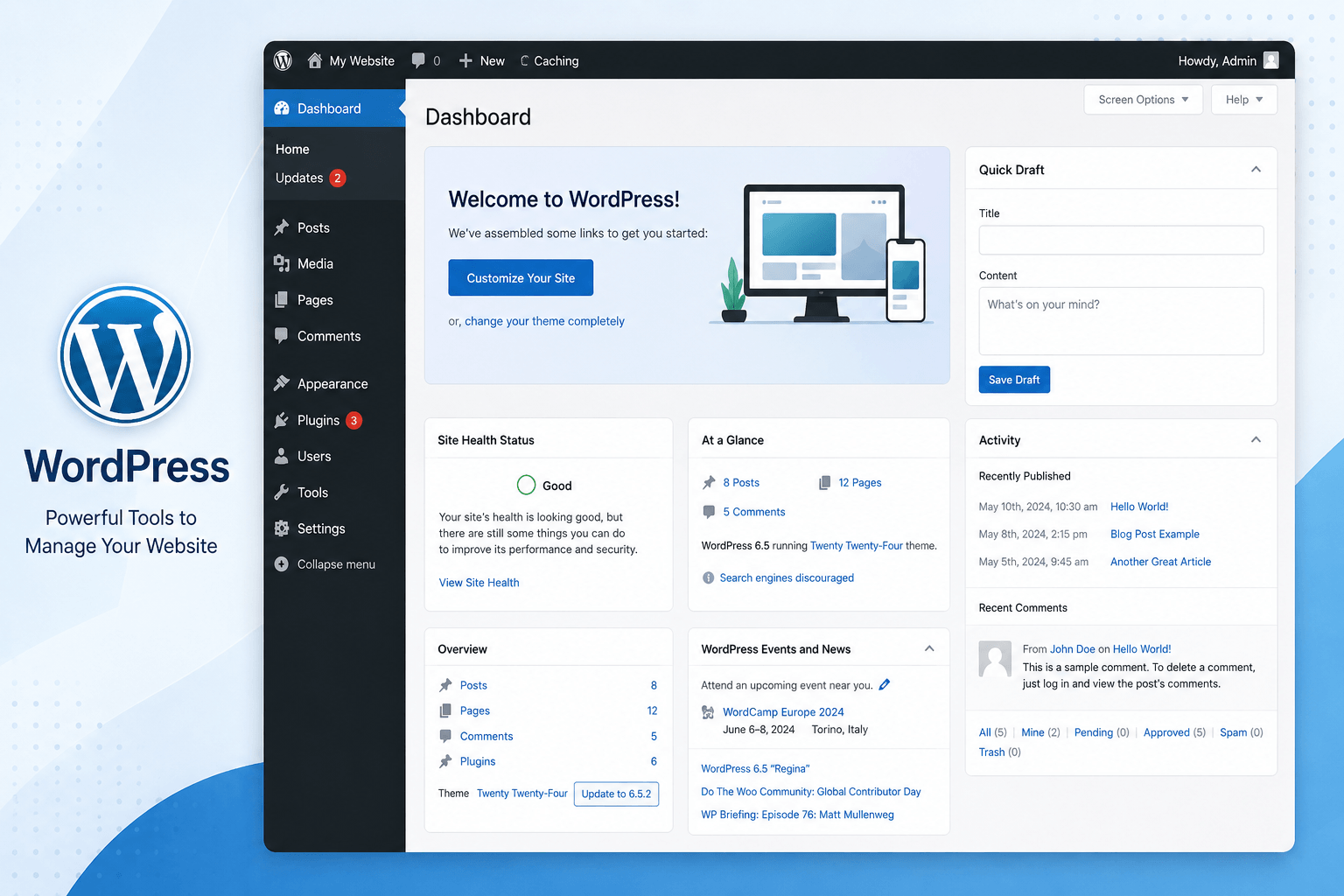
What Is WordPress?
WordPress is the world’s most popular Content Management System (CMS), allowing businesses, bloggers, and organizations to create virtually any type of website. From simple portfolios and company websites to large eCommerce stores and membership platforms, WordPress offers unmatched flexibility.
Unlike website builders with fixed features, WordPress is open-source software. This means you have complete control over your website, including its design, functionality, hosting provider, and SEO settings.
With thousands of professional themes and plugins available, WordPress can be customized to meet almost any business requirement. If you plan to expand your website in the future, WordPress provides the flexibility to grow without being limited by the platform.
For online stores, WordPress works seamlessly with WooCommerce, one of the world’s most popular eCommerce plugins, making it a powerful alternative to dedicated eCommerce platforms.
Best For
- Small Businesses
- Startups
- Agencies
- Corporate Websites
- Blogs
- Portfolio Websites
- Online Stores
- Service-Based Businesses
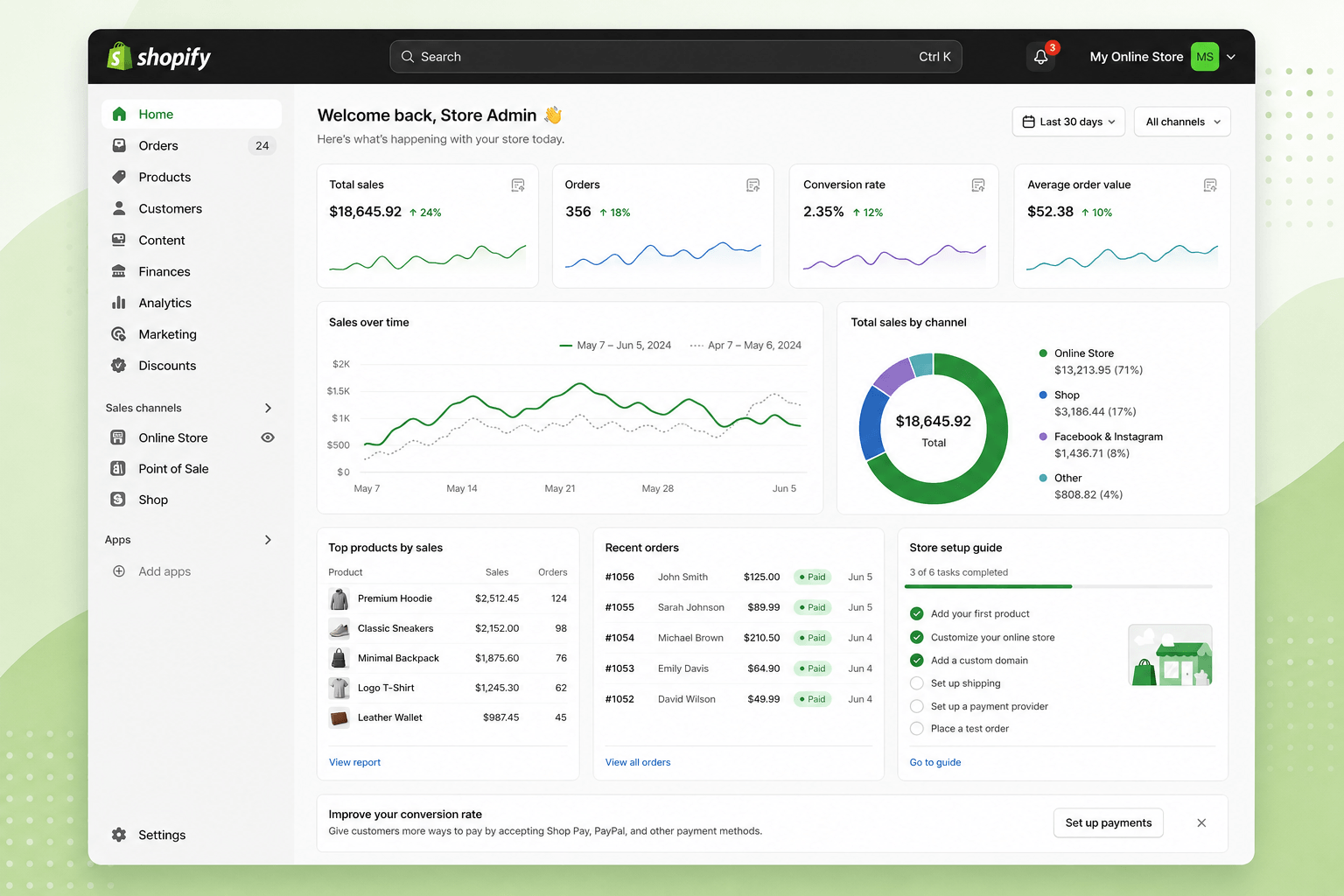
What Is Shopify?
Shopify is a fully hosted eCommerce platform designed specifically for businesses that want to sell products online without worrying about technical setup.
Unlike WordPress, Shopify includes hosting, security, updates, payment processing, and store management in a single subscription. This makes it an excellent option for beginners who want to launch an online store quickly.
Shopify offers professionally designed themes, built-in inventory management, secure payment gateways, shipping integrations, and marketing tools that simplify the process of running an online business.
However, because Shopify is a closed platform, users have less control over customization compared to WordPress. Advanced functionality often requires paid apps or developer assistance.
Best For
- Online Stores
- Dropshipping Businesses
- Retail Brands
- Product-Based Businesses
- Beginners
- Businesses Selling Physical Products
WordPress vs Shopify: Quick Comparison
| Feature | WordPress | Shopify |
|---|---|---|
| Ease of Use | Medium | Excellent |
| SEO | 5 Stars | 4 Stars |
| Design Flexibility | 5 Stars | 4 Stars |
| eCommerce | WooCommerce | Built-in |
| Customization | Unlimited | Limited |
| Hosting | Separate | Included |
| Monthly Cost | Flexible | Subscription |
| Best For | Business Websites & Custom Solutions | Online Stores |
Ease of Use
If you’re new to website creation, Shopify offers one of the simplest experiences available. Everything from hosting and security to updates and payment integration is managed for you. You can launch a basic online store in just a few hours without any coding knowledge.
WordPress has a slightly steeper learning curve because you need to choose a hosting provider, install WordPress, configure plugins, and manage updates. However, modern page builders like Elementor have made the process much easier, allowing users to design professional websites using drag-and-drop functionality.
For businesses that want complete control over their website, WordPress is worth the extra learning effort. While Shopify is easier for beginners, WordPress provides far greater flexibility for long-term growth and customization.
Design & Customization
Your website is often the first impression customers have of your business. A professional, modern, and user-friendly design can significantly improve trust and conversions.
This is where WordPress has a clear advantage.
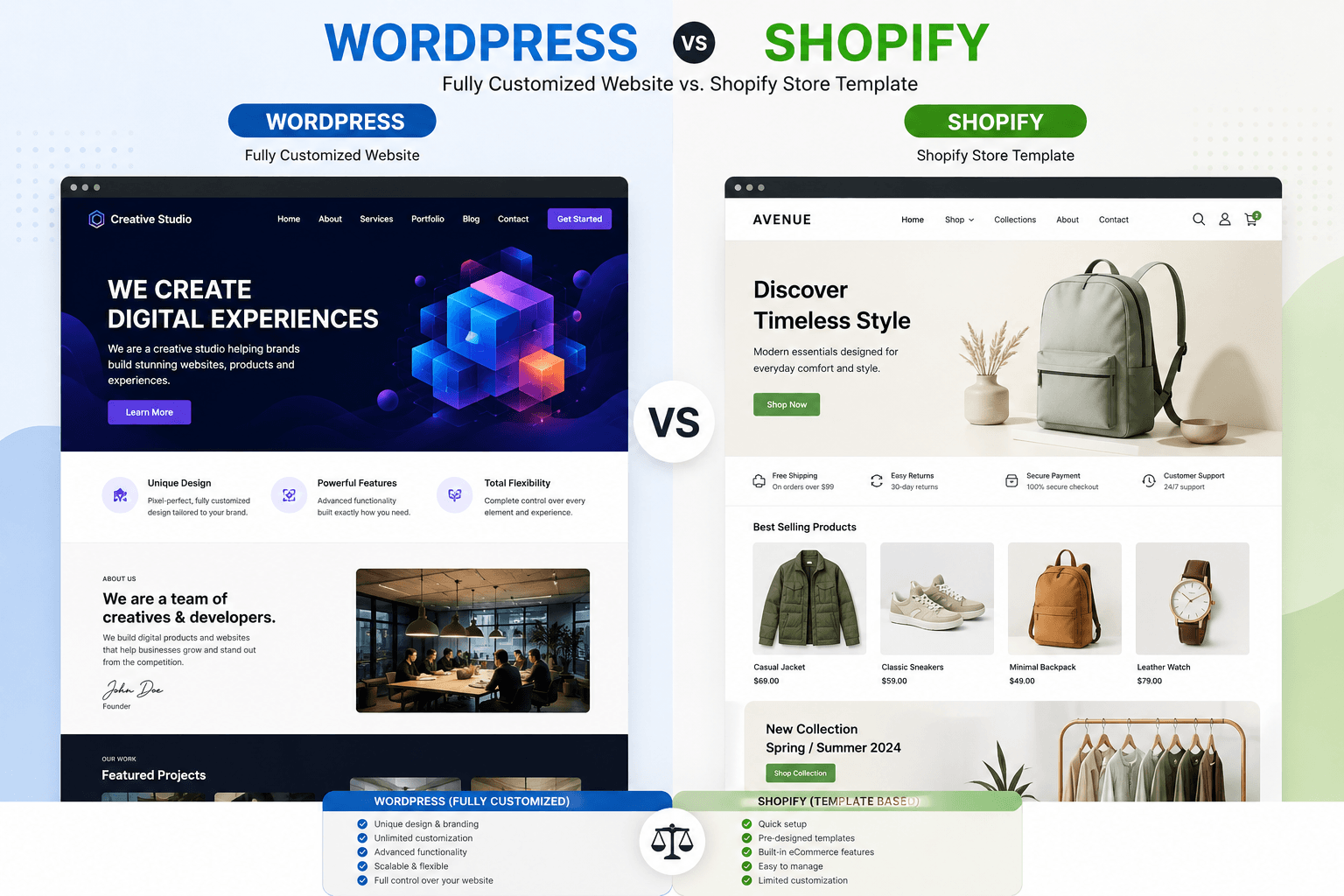
With WordPress, you have complete freedom to customize every part of your website. Whether you’re building a corporate website, portfolio, blog, booking platform, or online store, you can create a unique design that perfectly matches your brand identity.
Using tools like Elementor, businesses can build custom pages without writing code, while developers can extend functionality even further using custom themes and plugins.
Shopify also offers attractive, mobile-friendly themes that are easy to customize. However, most customization options are limited to what the platform allows. Advanced changes often require editing Shopify’s Liquid code or purchasing premium themes and apps.
If your business requires unique features, advanced layouts, or complete creative freedom, WordPress is the stronger choice.
Winner: WordPress
SEO Comparison
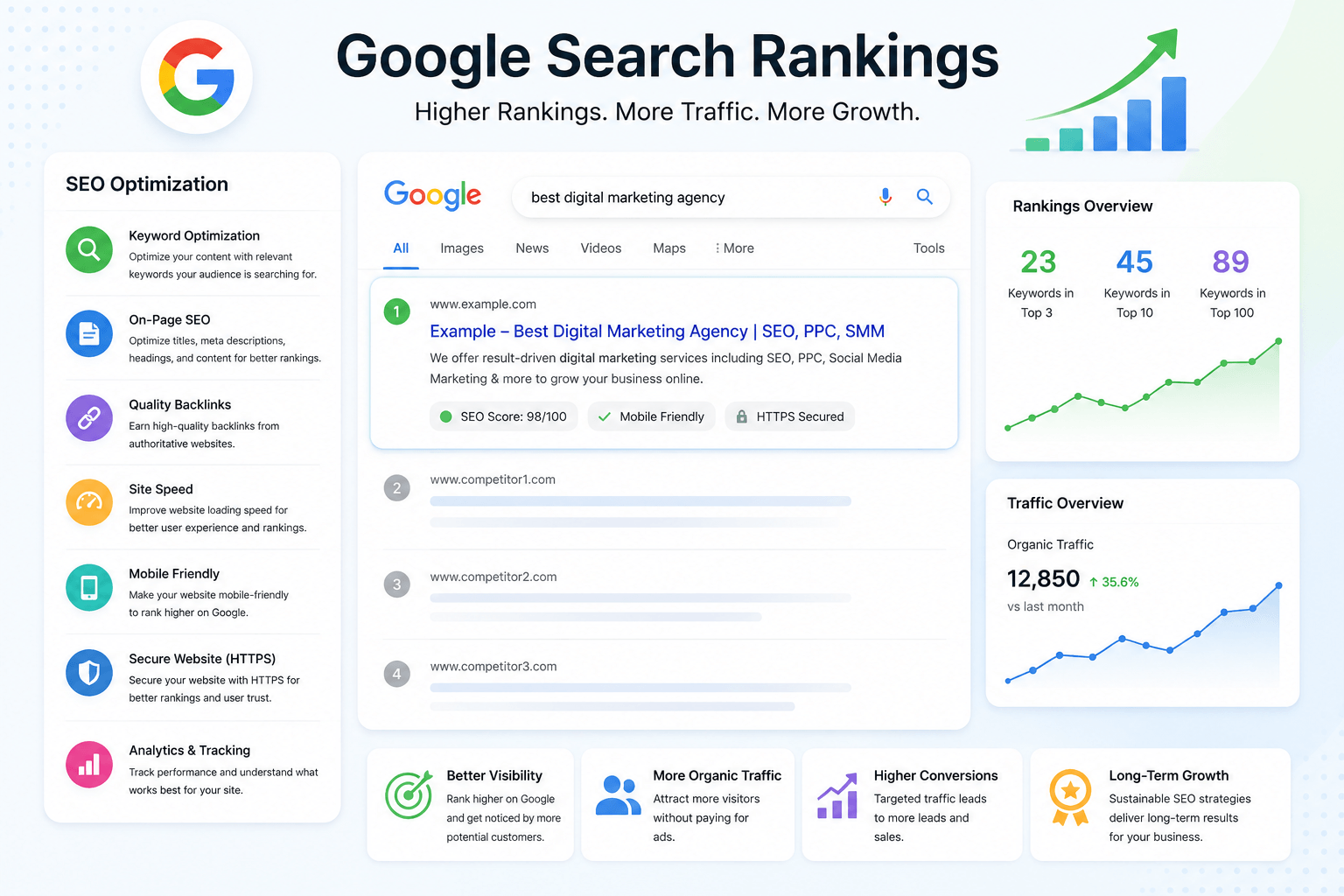
Search Engine Optimization (SEO) is one of the biggest factors in growing a business online. A well-optimized website can attract organic traffic, generate leads, and reduce marketing costs.
Both WordPress and Shopify provide SEO features, but WordPress offers far greater control.
With plugins like Rank Math or Yoast SEO, WordPress allows you to optimize:
- Meta Titles
- Meta Descriptions
- URL Structure
- XML Sitemaps
- Schema Markup
- Image SEO
- Internal Linking
- Redirects
- Breadcrumbs
- Canonical URLs
You also have full control over website speed, which is another important Google ranking factor.
Shopify includes basic SEO features out of the box, making it suitable for beginners. However, certain technical SEO settings are more restricted compared to WordPress, especially when dealing with URL structures and advanced customizations.
If SEO is one of your business priorities, WordPress gives you more flexibility and long-term advantages.
SEO Comparison
| SEO Feature | WordPress | Shopify |
|---|---|---|
| Meta Titles | ✅ | ✅ |
| Meta Descriptions | ✅ | ✅ |
| Schema Markup | ✅ Advanced | ✅ Basic |
| URL Control | ✅ Full | ⚠ Limited |
| Redirect Manager | ✅ | ✅ |
| XML Sitemap | ✅ | ✅ |
| Image SEO | ✅ | ✅ |
| SEO Plugins | ✅ Thousands | ⚠ Limited |
Winner: WordPress
Website Speed & Performance
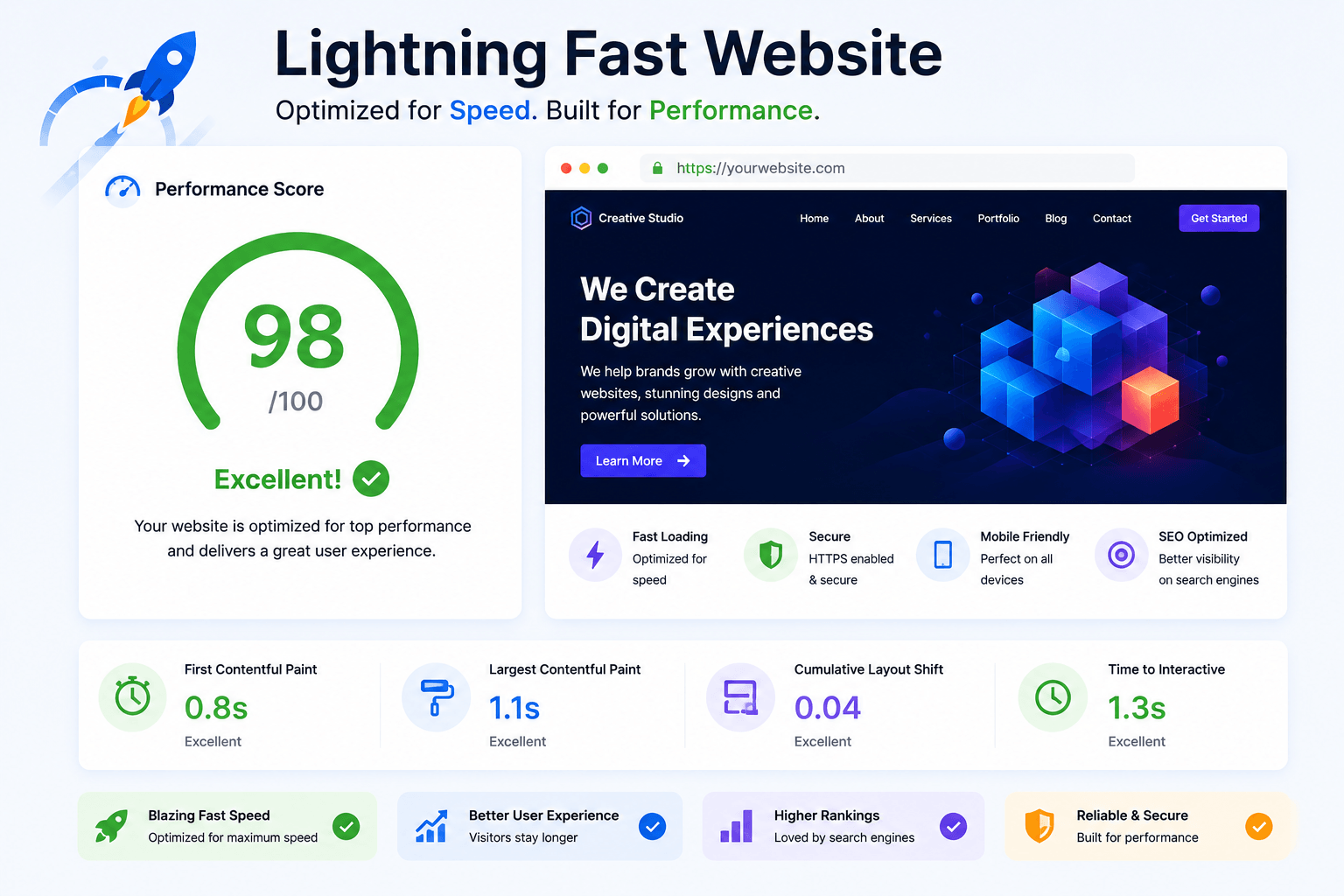
Website speed has a direct impact on user experience, SEO rankings, and sales.
Research consistently shows that visitors are more likely to leave a website if it takes more than a few seconds to load. Slow websites also tend to have higher bounce rates and lower conversion rates.
Shopify provides optimized hosting, which means most stores perform well without much technical setup.
WordPress performance depends on several factors, including:
- Hosting quality
- Theme optimization
- Image compression
- Caching
- Plugin selection
When built correctly using a lightweight theme, optimized images, quality hosting, and caching, a WordPress website can load just as fast—or even faster—than Shopify.
This is why professional WordPress developers focus on performance optimization as part of the development process.
Performance Winner
It’s a tie.
Shopify wins for simplicity.
WordPress wins for maximum optimization potential.
Pricing Comparison
One of the biggest differences between WordPress and Shopify is how you pay for the platform.
WordPress itself is free to use, but you’ll need to purchase:
- Domain Name
- Web Hosting
- Premium Theme (Optional)
- Premium Plugins (Optional)
This flexible pricing allows businesses to choose services that match their budget.
Shopify follows a subscription model. Your monthly plan includes hosting, security, updates, and access to the Shopify platform. However, additional costs may arise from premium themes, paid apps, and transaction fees depending on your payment setup.
Pricing Comparison Table
| Expense | WordPress | Shopify |
|---|---|---|
| Software | Free | Monthly Subscription |
| Hosting | Required | Included |
| Domain | Required | Required |
| Premium Themes | Optional | Optional |
| Plugins / Apps | Optional | Often Paid |
| Maintenance | Self-managed | Included |
Winner
- Budget Flexibility: WordPress
- All-in-One Convenience: Shopify
Security
Security is essential for protecting customer data and maintaining trust.
Shopify handles most security tasks automatically, including:
- SSL Certificate
- Platform Updates
- PCI Compliance
- Server Security
- Automatic Maintenance
WordPress requires more responsibility from the website owner, but it also provides greater control.
A secure WordPress website should include:
- SSL Certificate
- Regular Updates
- Strong Passwords
- Firewall
- Security Plugin
- Daily Backups
- Malware Protection
When maintained properly, WordPress is just as secure as Shopify.
Winner
Both platforms provide excellent security when managed correctly.
WordPress vs Shopify: Pros & Cons
Choosing between WordPress and Shopify becomes easier when you understand the strengths and limitations of each platform.
WordPress Pros
✅ Complete control over your website
✅ Excellent SEO capabilities
✅ Unlimited customization
✅ Thousands of themes and plugins
✅ Lower long-term costs
✅ Ideal for blogs, business websites, portfolios, and online stores
✅ Easy to scale as your business grows
WordPress Cons
❌ Requires web hosting
❌ Regular updates and maintenance
❌ Slightly steeper learning curve for beginners
Shopify Pros
✅ Very easy to set up
✅ Hosting included
✅ Built-in payment gateways
✅ Excellent for online stores
✅ Automatic security updates
✅ 24/7 customer support
Shopify Cons
❌ Monthly subscription costs
❌ Limited customization compared to WordPress
❌ Additional costs for premium apps
❌ Less control over technical SEO
❌ Platform limitations for businesses with unique requirements
Which Platform Should You Choose?
The right choice depends on your business goals rather than simply choosing the most popular platform.
Choose WordPress if you:
- Want a professional business website
- Need complete design freedom
- Care about long-term SEO
- Plan to publish regular blog content
- Want full ownership of your website
- Need custom features or integrations
- Want a scalable solution that grows with your business
Choose Shopify if you:
- Only want to sell products online
- Prefer an all-in-one solution
- Don’t want to manage hosting or updates
- Need to launch an online store quickly
- Have little or no technical experience
Real-World Examples
To make the decision easier, here are a few examples.
Example 1: Local Service Business
A plumbing company, law firm, digital marketing agency, or construction business doesn’t need a platform focused only on eCommerce. They need a website that builds trust, ranks on Google, and generates leads.
Best Choice: WordPress
Example 2: Clothing Brand
A fashion brand selling hundreds of products online with inventory management, shipping, and payment processing can benefit from Shopify’s built-in eCommerce tools.
Best Choice: Shopify
Example 3: Digital Agency
An agency that offers web development, SEO, branding, and digital marketing needs a professional website with service pages, case studies, a blog, contact forms, and lead generation.
Best Choice: WordPress
Final Verdict
There isn’t a single platform that’s perfect for everyone.
Shopify is an excellent option if your primary goal is launching and managing an online store with minimal technical work.
However, if you’re looking for flexibility, better SEO, unlimited customization, and long-term business growth, WordPress is the stronger choice.
For most small businesses, startups, agencies, freelancers, and service providers, WordPress offers greater value because it allows you to create a website that’s tailored to your business instead of adapting your business to the platform.
The best website isn’t simply the one that’s easiest to build—it’s the one that helps your business grow, attract customers, and achieve your goals.
Frequently Asked Questions
Is WordPress better than Shopify for SEO?
Yes. WordPress offers greater control over technical SEO, content optimization, schema markup, internal linking, and website performance, making it a preferred choice for businesses focused on organic search growth.
Which platform is cheaper?
WordPress is generally more flexible in terms of pricing because you can choose your own hosting and only pay for the features you need.
Shopify follows a subscription model, which can become more expensive as you add premium apps and advanced features.
Can I move from Shopify to WordPress later?
Yes. Many businesses start with Shopify and later migrate to WordPress as their needs grow. Planning the migration carefully helps preserve your SEO and customer data.
Which platform is easier for beginners?
Shopify is easier to set up because it includes hosting, security, and store management in one package.
WordPress requires a little more setup but offers significantly more flexibility in the long run.
Is WordPress secure?
Absolutely. When kept updated and paired with reliable hosting, SSL, backups, and security plugins, WordPress can be highly secure for businesses of all sizes.
Key Takeaways
- WordPress is ideal for business websites, agencies, blogs, and companies that want complete flexibility.
- Shopify is best for businesses focused primarily on selling products online.
- WordPress provides stronger SEO capabilities and greater customization.
- Shopify offers convenience with an all-in-one managed platform.
- Your choice should align with your long-term business goals, not just your immediate needs.
Conclusion
Both WordPress and Shopify are excellent platforms, but they serve different purposes.
If your goal is to build a fast, SEO-friendly, professional website that can grow with your business, WordPress remains one of the best choices in 2026.
If your focus is launching an online store quickly with minimal technical effort, Shopify is a reliable and user-friendly solution.
Before making a decision, consider your budget, future plans, customization needs, and marketing strategy. Investing in the right platform today can save time, money, and effort as your business grows.
Need Help Building the Right Website?
Whether you’re launching a new business, redesigning an outdated website, or looking to improve your website’s speed and SEO, DevNest Web Solutions can help.
We specialize in:
- Custom WordPress Website Development
- Responsive Website Design
- Website Speed Optimization
- SEO-Friendly Development
- Landing Pages
- Website Maintenance
- Business Website Redesigns
Ready to grow your business online? Contact DevNest Web Solutions today for a free consultation and let’s build a website that not only looks great but also delivers real business results.
- 10 Signs Your Business Needs a New Website
- How a Fast Website Can Increase Sales
- SEO Checklist for Small Businesses
Our Links